

Choosing the Right Primary School for Your Child
Choosing a primary school is one of the biggest decisions you will make in your child's early years, and the right choice depends on your family's values, your child's personality and the kind of learning environment where they will thrive.
With so many options available, it can feel overwhelming. Public or private? Small school or large? Close to home or further afield? The truth is, there is no single "best" school. There is only the best school for your child.
As an early childhood education provider, Gowrie NSW supports hundreds of families through this decision every year — and the advice below reflects what we have learned works best.
This guide walks you through the key factors to consider, the questions to ask and how to tell when your child is ready for the move from early childhood education to primary school.
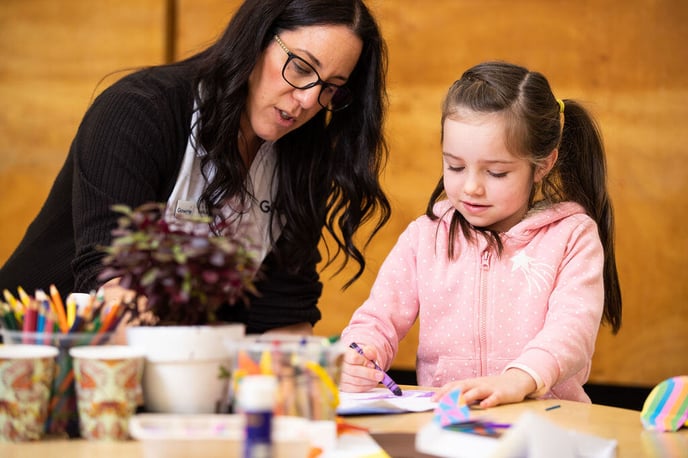
What to Look for When Choosing a Primary School
Every family will weigh these factors differently, but these are the areas worth exploring as you narrow down your options.
1. Teaching Philosophy and Approach
Schools differ in how they teach, not just what they teach. Some take a more structured, teacher-directed approach. Others lean towards inquiry-based or play-based learning, where children are active participants in their own learning.
Ask yourself: does the school's approach align with how your child learns best? A child who thrives on hands-on exploration may feel constrained in a highly structured environment, and vice versa.
2. School Culture and Values
This is often the thing parents notice most on a school visit. Does the school feel welcoming? Are the children happy and engaged? Do the staff seem warm and approachable?
Look for signs of a positive school culture:
- How do teachers speak to children in the playground and corridors?
- Is there visible student work on the walls?
- Do older children interact positively with younger ones?
- Does the school celebrate diversity and inclusive practice?
3. Class Sizes and Student-to-Teacher Ratios
Smaller class sizes generally mean more individual attention for your child. Ask the school about their average class size and whether they have teacher aides or learning support staff.
4. Location and Logistics
A school close to home or work makes daily routines easier, especially in the early years when children tire quickly. Consider the commute, before and after school care options and how the school fits into your family's day.
5. Extracurricular Activities and Specialist Programs
Sport, music, art, languages, environmental programs. These vary widely between schools. Think about what matters to your child and your family. A child who loves being outdoors might thrive at a school with strong environmental and sustainability programs.
6. Support for Individual Needs
Every child is different. Ask how the school supports children who need extra help, whether that is with learning, social skills, language development or emotional regulation. A school that is proactive about identifying and supporting individual needs is a strong sign of quality.
7. Transition Programs
The best schools make the move from early childhood education to primary school as smooth as possible. Look for schools that offer:
- Orientation visits before the first day
- Buddy systems pairing new students with older children
- Gradual transition schedules in the first few weeks
- Open communication with families during the settling-in period
Questions to Ask on a School Tour
School tours are your best opportunity to get a feel for the place beyond the website and brochure. Here are some questions worth asking:
- What is your teaching philosophy and how is it reflected in the classroom?
- How do you handle behavioural challenges? (Look for schools that use positive behaviour management strategies rather than punitive approaches.)
- How do you support children who are struggling academically or socially?
- What does a typical day look like in Kindergarten?
- How do you communicate with parents about their child's progress?
- What before and after school care options are available?
- How do you support the transition from preschool to primary school?
- What role does outdoor play have in the school day?
School Readiness: Is Your Child Ready for Primary School?
School readiness is not about academic skills like reading or counting. It is about a combination of social, emotional, physical and cognitive skills that help a child feel confident and capable in a school environment.
Parents often worry about whether their child is "ready enough." The reality is that readiness looks different for every child, and most children continue developing these skills well into their first year of school.
Key School Readiness Skills
These are the foundations that help children settle into school life:
- Independence with daily tasks. Can your child manage basic self-care like using the toilet, opening their lunch box, putting on their shoes and carrying their own bag? These small skills make a big difference to their confidence.
- Following simple instructions. Being able to listen to and carry out a two or three step instruction ("Put your bag in your locker, then come and sit on the mat") helps children navigate the school day.
- Playing and working with others. Sharing, taking turns, cooperating on a task and working through social situations are skills children develop through play and continue refining at school.
- Managing emotions. Being able to express feelings, cope with frustration and recover from disappointment without becoming overwhelmed. This does not mean never getting upset. It means having some strategies to work through it.
- Curiosity and willingness to try. A child who is curious, asks questions and is willing to have a go at something new, even if it is hard, is showing strong readiness signs.
- Basic communication skills. Being able to express needs, ask for help and have a conversation with adults and other children. This includes listening as well as speaking.
- Concentration and attention. Being able to focus on a task or activity for a short period, even with distractions. This does not need to be long. Ten to fifteen minutes is realistic for a five-year-old.
How to Support School Readiness at Home
You do not need to run a classroom at home to prepare your child for school. Many of the best school readiness activities happen naturally through everyday life — and they are the same kinds of experiences children have every day at Gowrie NSW centres.
- Encourage independence. Let your child dress themselves, help set the table, pour their own water and pack their own bag. It takes longer, but it builds confidence and capability.
- Read together every day. Reading builds vocabulary, listening skills, concentration and a love of learning. Talk about the story, ask questions and let your child turn the pages.
- Play with other children. Playdates, park visits and group activities all help children practise the social skills they will need at school.
- Talk about school positively. Share your own positive school memories, read books about starting school and visit the school grounds together before the first day.
- Practise the routine. In the weeks before school starts, practise the morning routine: getting dressed, eating breakfast, packing the bag and leaving the house on time.
- Let them play. Unstructured play, especially outdoors with loose parts and natural materials, builds problem-solving, creativity, physical skills and resilience. All of which are school readiness skills.
At Gowrie NSW, we refer to this stage as our "transition to school" program rather than school readiness.
When to Consider Waiting a Year
In NSW, children can start Kindergarten if they turn five on or before 31 July. But eligibility does not always mean readiness. Some children, particularly those with mid-year birthdays, benefit from an extra year of early childhood education.
Signs that waiting might be worth considering:
- Your child becomes easily overwhelmed in large group settings
- They are not yet managing basic self-care tasks independently
- Their educator recommends more time to develop social or emotional skills
- They seem anxious or resistant when talking about school
There is no right or wrong answer. Talk to your child's educator, who sees them in a group learning environment every day and can offer valuable perspective on their readiness. At Gowrie NSW, our early childhood teachers and educators work closely with families during the transition to school, helping children feel confident and prepared for this exciting next step.
Frequently Asked Questions
How do I choose the right primary school for my child?
Start by identifying what matters most to your family: teaching philosophy, school culture, location, class sizes and how the school supports individual needs. Visit several schools, ask questions and trust your instincts about where your child will feel safe, supported and excited to learn.
What are school readiness skills?
School readiness skills are the social, emotional, physical and cognitive abilities that help a child navigate the school environment with confidence. These include independence with daily tasks, following instructions, playing cooperatively, managing emotions, communicating needs and sustaining attention on an activity.
At what age do children start primary school in NSW?
In NSW, children can start Kindergarten at the beginning of the school year if they turn five on or before 31 July that year. Most children start school between the ages of four and a half and five and a half.
How can I prepare my child for primary school?
Encourage independence, read together daily, provide plenty of opportunities for play with other children, talk about school positively and practise the morning routine. The most effective preparation happens through everyday life, not worksheets or formal lessons.

