



At Gowrie NSW, inclusive practice isn’t just a buzzword – it’s at the heart of everything we do. Creating environments where every child and family feel valued and supported is a priority. But how do we ensure that our care is genuinely inclusive? It starts with ongoing reflection, followed by purposeful action. Let’s explore how reflective practice plays a pivotal role in the delivery of a child and family centred program.
What Is Inclusion in Childcare?
Inclusion in childcare means creating environments where every child, regardless of ability, background, culture or family structure, can participate fully and feel a genuine sense of belonging. It goes beyond simply having children with diverse needs in the same room. True inclusion means adapting practices, environments and interactions so that every child has equal access to learning, play and relationships.
For families, inclusive practice means knowing that your child will be welcomed, understood and supported in a setting that values who they are. For educators, it means continuously reflecting on how the environment, routines and interactions can be adjusted to meet the needs of every child.
At Gowrie NSW, inclusion is embedded across everything we do, from the way we design our learning spaces to the way we build relationships with children and families. It is guided by ongoing reflection and a commitment to removing barriers to participation.
What is reflective practice?
Reflective practice is more than just thinking about what happened during your day. It’s a deep, intentional process where educators examine what they do, why they do it, and how their actions impact the children and families in their care. This process involves questioning your personal and professional responses to daily experiences, situations, and new information.
We know that reflection goes beyond surface-level thoughts. It involves digging into our own beliefs, values, and assumptions, and asking ourselves, "How do these influence the way I care for and engage with children and families?" Reflective practice is a powerful tool for growth, both as individuals and professionals.
How reflection shapes inclusion
Inclusive practice requires educators to consider how they design their environments and activities to ensure that all children are engaged and supported. Through reflection, you can assess how your actions and decisions impact children’s participation and involvement in your program.
Here are some key questions to guide your reflective process:
-
Who is your care environment designed for? Are all children, regardless of ability or background, able to fully engage?
-
What is the flow of your day? Are routines and transitions inclusive and accessible to every child?
-
How are children involved in the program? Are activities and spaces presented in a way that invites participation from everyone?
When you reflect on these elements, you begin to see areas for improvement, sparking action that leads to a more inclusive program.
Reflection is a way of learning more about yourself as an individual and as a professional so we can identify ways to move forward.
Examples of Inclusive Practice in Childcare
Inclusive practice looks different in every setting, but there are practical strategies that educators can use to create more welcoming and accessible environments. Here are seven examples of inclusive practice in action:
- Visual schedules and communication boards. Displaying visual timetables and picture-based communication tools helps all children understand routines, not only those with additional language or communication needs. Visual supports reduce anxiety around transitions and give children a sense of predictability.
- Multilingual signage and greetings. Welcoming families in their home languages through signage, labels and daily greetings sends a powerful message that all cultures are valued. It also supports children's identity development and sense of belonging.
- Sensory-friendly quiet spaces. Providing a calm, low-stimulation area where children can retreat when they feel overwhelmed supports self-regulation. This benefits children with sensory processing differences and any child who needs a moment of quiet during a busy day.
- Adapting group activities for different abilities. Rather than expecting all children to participate in the same way, inclusive educators offer multiple entry points for activities. A painting activity, for example, might include brushes of different sizes, alternative tools like sponges or rollers, and the option to paint on different surfaces.
- Culturally diverse resources and materials. Books, dolls, puzzles, dress-up items and artwork that reflect a range of cultures, family structures and abilities help children see themselves and others represented. This supports empathy, respect and a broader understanding of the world.
- Flexible routines that accommodate individual needs. Rigid schedules can create barriers for children who need more time for transitions, have different rest patterns or require additional support during mealtimes. Flexible routines ensure that the program adapts to children rather than the other way around.
- Collaborative goal-setting with families. Inclusion works best when educators and families partner together. Regular conversations about a child's strengths, interests and support needs ensure that strategies are consistent between home and the early childhood setting.
These strategies are not one-off actions. They require ongoing reflection and adjustment as children's needs and the makeup of each group change over time.
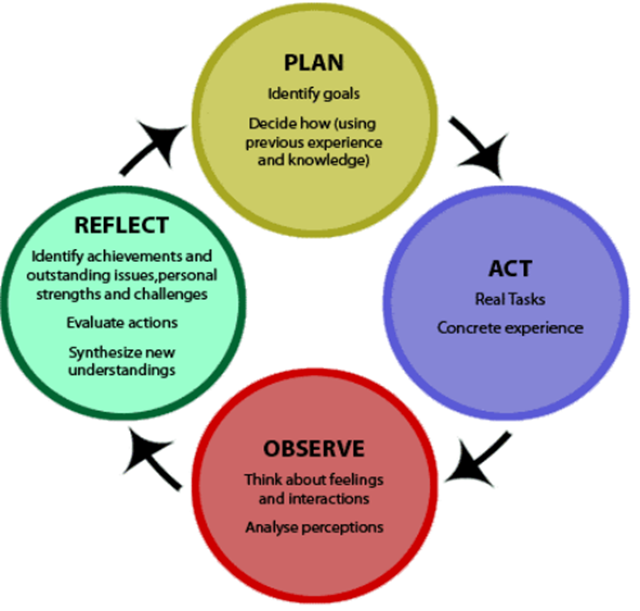
Reflection in action: Practical steps
So, how do you start reflecting and turning insights into action? It’s a simple process that begins with asking the right questions and documenting your findings. At Gowrie NSW, our Inclusion Team encourages you to continuously update your Strategic Inclusion Plan by seeking feedback and observing your daily routines.
Here are some practical steps to help you reflect and improve:
Making reflection a habit
Reflective practice shouldn’t be a once-a-year task. It needs to be ongoing. Make reflection a regular part of your routine by setting aside time each week or month to review your practices and the inclusivity of your program. Encourage your team to do the same, creating a culture of growth and improvement.
Here’s how you can make reflection a habit:
-
Team reflections. Schedule regular meetings to discuss what’s working and what’s not, focusing on inclusivity.
-
Personal reflections. Take time at the end of each week to jot down your thoughts on your interactions with children and families. What could you do differently?
-
Peer observations. Invite a colleague to observe your environment and provide feedback. A fresh set of eyes can offer valuable insights.
Ready to take action?
At Gowrie NSW, we believe that reflection leads to action, and action leads to more inclusive, supportive environments for every child and family. By committing to ongoing reflection, you’re not only improving your practice – you’re making a difference in the lives of those you care for.
Ready to reflect and take your inclusive practice to the next level? Start today by reviewing your routines, engaging with your Inclusion Professional, and documenting your insights. Small steps lead to big changes!
Let’s continue creating environments where everyone feels they belong.



