

By Kristi McVee
In my years as a child abuse detective and later as a prevention educator, I saw a pattern again and again that simply isn’t talked about enough: the most harmful forms of abuse often never get spoken aloud by the children who experience them. Kids may not have the words, the safety, or the context to label what is happening to them as “wrong” - especially when it comes from someone they trust or someone who makes them feel special.
This reality - that abuse can and is often silent and that children often don’t ever disclose their abuse - fundamentally reshapes how we think about child safety in early childhood settings, especially when the signs are subtle.
Educators are in a unique position
In early childhood environments, educators are with children every day during the small, ordinary moments that most people overlook. These moments - a child’s hesitation during free play, a fist clenching in the corner, or a sudden withdrawal from an activity - may communicate far more than a child’s words ever could. The way kids interact, approach adults, and test responses in these everyday moments is how they intuitively check whether the adults around them are safe, dependable, and responsive.
Just as parents are “tested” by small concerns before children trust them with bigger ones, so too do young children in educational settings. It’s not dramatic disclosures that teachers witness most - it’s the subtle behavioural cues that indicate a child’s sense of safety or fear.
Children don't need to name abuse to reveal it
Many children don’t realise they are being harmed - especially when grooming or boundary violations occur slowly, under the guise of care or attention. In some cases, the behaviour doesn’t feel scary or “wrong” to the child until much later; sometimes, it can be seen as a game or just feels confusing.
Educators who understand this, shift their focus away from waiting for children to “say” something and toward being attuned to:
● changes in behaviour
● emotional safety cues
● interactions that deviate from a child’s baseline
● patterns that emerge over time
This is not intuition without evidence - it’s observations grounded in a calm presence and protective lens.
What educators can do every day
So what does this mean in practice? It means:
1. Cultivating psychological safety Children need to feel that no matter what they share, they will be heard without dismissal or minimisation.
2. Listening beyond words Many children communicate through behaviour, not language. A sudden shift - clinginess, reluctance around a particular adult, withdrawal from play - can be a form of communication.
3. Responding without alarm A calm, predictable response tells a child that nothing shared will be met with panic or secrecy. It invites future communication rather than shutting it down.
4. Embedding body safety into everyday practice Simple conversations about bodies, boundaries, feelings, and consent aren’t just lessons - they are protective routines. They help children articulate their experiences, even before they have full language for them.
“Being a safe adult” isn’t about being perfect or knowing what to do in every situation. It’s about being consistently present, accessible, and non-judgmental. These are the conditions that make it possible for a child to speak - if and when they ever are able to put experiences into words.
Elevating everyday practice
So often, educators are told to watch for big signs - disclosures, clear complaints, visible physical harm. But the truth is that harm is often silent, and safety is often spoken through small moments of connection. Educators aren’t just caretakers - they are the adults who hold space for vulnerability, trust, and awareness on an ongoing basis.
This quiet work - seemingly ordinary and often unrewarded- is what protects children when they can’t speak for themselves.
Final Reflection
Child safety isn’t an event. It’s an atmosphere that you create. It’s the way an educator pauses to listen and observes without rushing. It’s the way they create a rhythm of safety that makes a child feel seen before they ever have to say a word and hopefully before anything has actually happened.
And in a world where abuse is too often silent, that matters more than anything, especially for our littlest and most vulnerable people.
About the Author
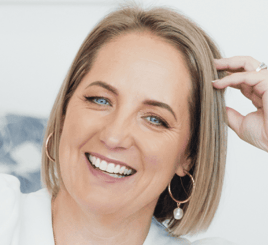 Kristi McVee is a leading child safety expert, author and advocate with over a decade of frontline experience as a Specialist Child Interviewer and Detective Senior Constable. After ten years in the police force working with children affected by abuse, she shifted her focus to prevention and education to stop harm before it starts. Kristi founded CAPE-AU to give parents, carers and educators practical tools and strategies to protect children from abuse and exploitation. She’s a sought-after speaker, podcast host and media contributor, known for clear, direct guidance on child safety at home and online. Her book Operation KidSafe – A Detective’s Guide to Child Abuse Prevention equips families with vital insights to keep kids safe in a changing world.