


What Is Sensory Play and Why Does It Matter?
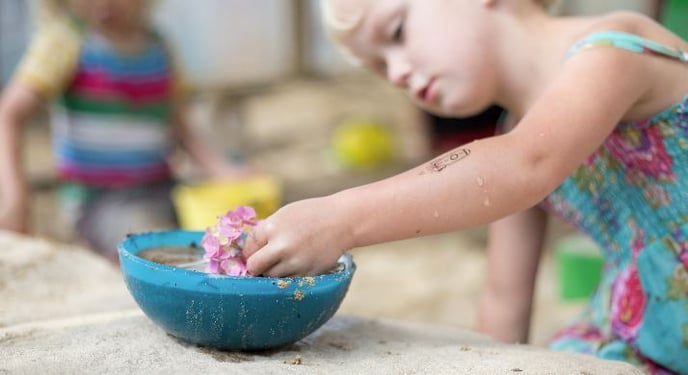
Sensory play is any activity that engages a child's senses: touch, sight, sound, smell, taste, balance and body awareness. It includes hands-on experiences with materials like water, sand, playdough, paint, mud, rice, fabric and natural objects. Sensory play also extends to activities involving music, movement and exploration of the outdoor environment.
For young children, sensory experiences are not just enjoyable. They are essential. Sensory play helps build nerve connections in the brain, supports the development of fine and gross motor skills, encourages language development and provides a natural pathway for children to explore and make sense of the world around them.
At Gowrie NSW, we understand that every child has a unique sensory profile. Some children seek out strong sensory input, while others are more sensitive and need gentler experiences. Our educators observe each child closely and plan sensory-rich environments that meet individual needs. You can see this in action in our story about how Shirley Road Preschool supports sensory exploration through intentional, everyday programming.

Benefits of Sensory Play in the Early Years
Sensory play supports development across multiple areas. Here are the key benefits of sensory play for young children:
- Brain development. Sensory experiences help build and strengthen neural pathways in the brain. Each new texture, sound or smell creates connections that support cognitive growth and learning.
- Fine motor skills. Activities like squeezing playdough, pouring water, threading beads and manipulating small objects strengthen the hand and finger muscles children need for writing, drawing and self-care tasks.
- Language and communication. Sensory play gives children rich opportunities to build vocabulary as they describe what they see, feel, hear and smell. Words like "squishy," "rough," "warm" and "sticky" emerge naturally during hands-on exploration.
- Problem-solving and critical thinking. When children experiment with sensory materials, they ask questions, test ideas and observe outcomes. What happens when I add more water? Why does the sand stick together when it is wet? This is early scientific thinking in action.
- Emotional regulation and calming. Many sensory experiences, particularly water play and tactile materials like kinetic sand, have a calming effect. Children who feel overwhelmed or dysregulated can use sensory play to self-soothe and return to a state of readiness for learning.
- Social skills. Shared sensory experiences encourage turn-taking, cooperation and communication between children. A water play station or a shared playdough table naturally invites social interaction. These are some of the same skills children develop through different types of play as they grow.
- Creativity and imagination. Open-ended sensory materials have no "right" way to be used. This freedom encourages children to experiment, invent and express themselves without the pressure of a predetermined outcome.
Sensory play also connects naturally to play-based learning, which is one of Gowrie NSW's core Program Foundations. When children explore through their senses, they are actively constructing knowledge in a way that is meaningful and self-directed.
Benefits of Water Play for Toddlers
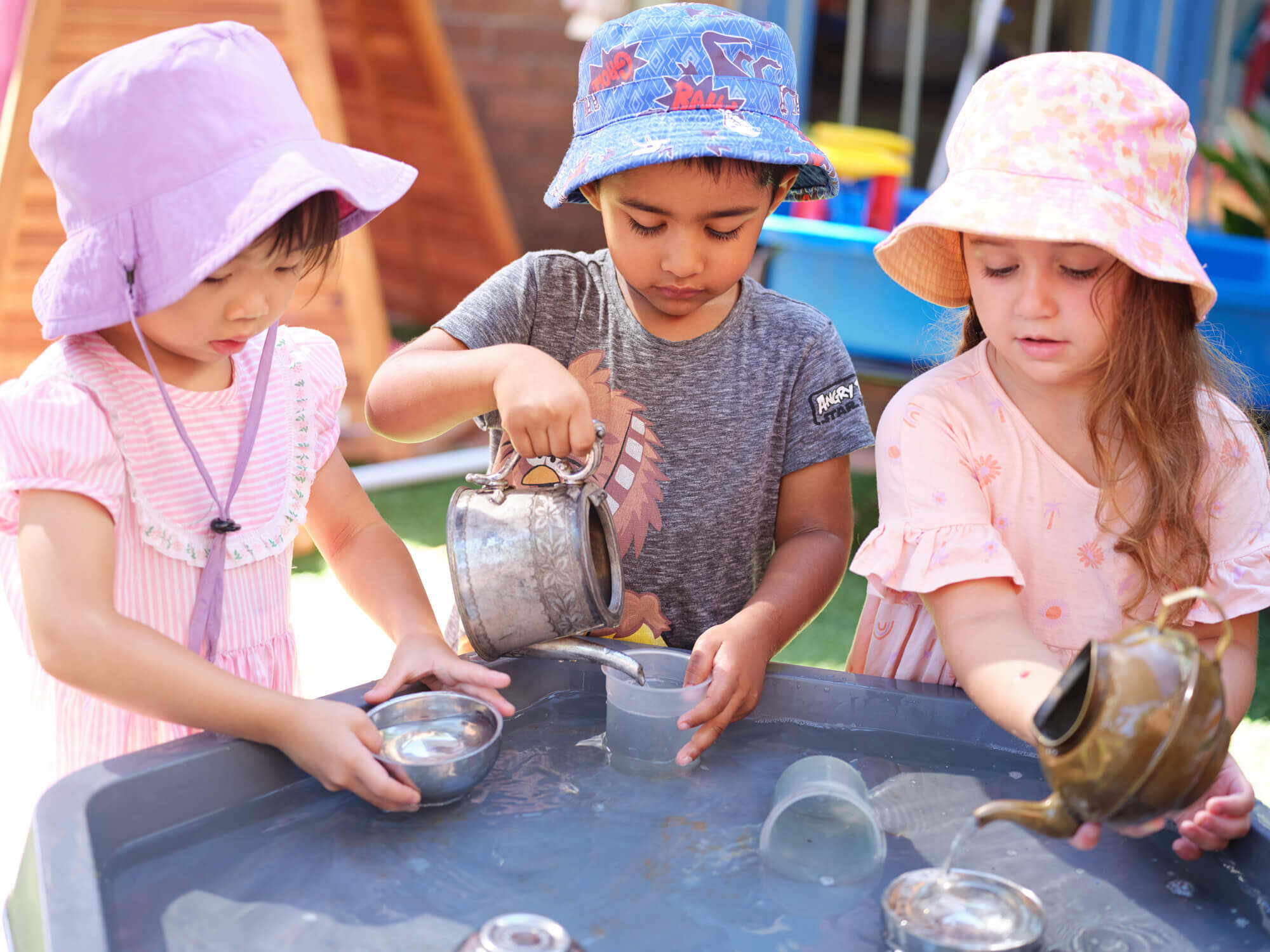
Water play is one of the most versatile and accessible forms of sensory exploration. For toddlers, it offers a particularly rich set of developmental benefits:
- Fine motor development. Pouring, squeezing, scooping and transferring water between containers strengthens hand muscles and improves coordination. These skills are the building blocks for later tasks like holding a pencil and using scissors.
- Cause-and-effect learning. Toddlers learn that their actions produce results: pouring water makes it flow, squeezing a sponge releases water, dropping an object creates a splash. This early understanding of cause and effect is foundational to scientific thinking.
- Temperature and texture awareness. Water can be warm, cool, still or flowing. Adding ice, bubbles or natural materials like leaves and stones introduces new textures and temperatures for children to explore and describe.
- Language development. Water play naturally generates conversation. Educators and parents can introduce words like "full," "empty," "fast," "slow," "floating" and "sinking" during play, building vocabulary in a meaningful context.
- Calming and self-regulation. The repetitive, rhythmic nature of water play, such as pouring back and forth or swirling water in a bowl, has a soothing effect that helps toddlers regulate their emotions and feel calm.
- Early maths and science concepts. Through water play, toddlers explore concepts like volume (how much water fits in this cup?), measurement (which container holds more?) and basic physics (why does the boat float but the stone sinks?).
At Gowrie NSW, water play is a staple across our centres. At Shirley Road Preschool, for example, educators design a variety of water play experiences for children who have the urge to fill, empty and pour, or simply touch, swirl and experience the calming properties of water.
How to Support Sensory Play at Home
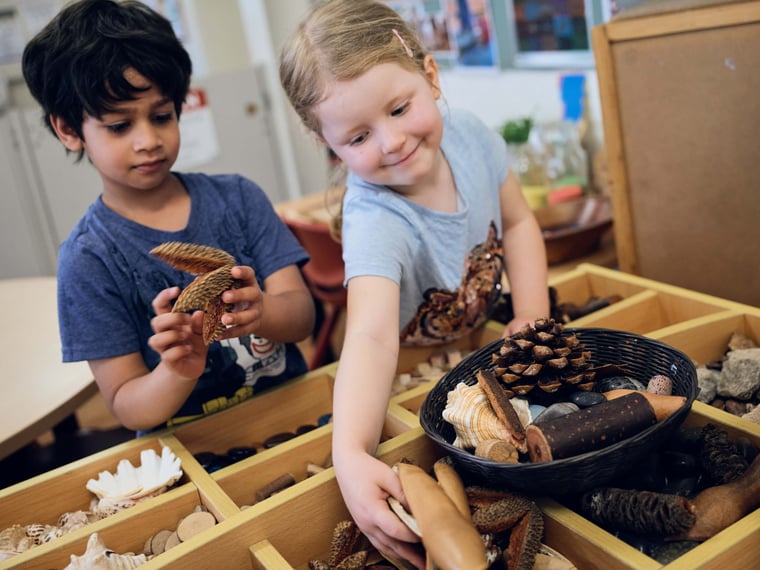
You don't need specialist equipment to offer rich sensory experiences. Here are some simple ideas parents can try:
- Set up a water play station in the garden or bathtub with cups, funnels, sponges and floating toys. Let your child pour, splash and experiment freely.
- Create a sensory bin using a large container filled with dried rice, pasta or sand. Add scoops, small containers and hidden objects for your child to discover.
- Get messy with playdough. Homemade playdough is easy to make and you can add natural scents like lavender or cinnamon for extra sensory input.
- Explore nature together. A walk in the park or garden is full of sensory opportunities: the texture of bark, the smell of flowers, the sound of birds, the feel of dirt between fingers.
- Cook together. Measuring, mixing, kneading and tasting are all rich sensory experiences. Even simple tasks like washing vegetables or stirring a batter provide valuable input.
The most important thing is to follow your child's lead. If they want to spend 20 minutes pouring water back and forth, that repetition is doing important developmental work.
Sensory Play by Age: A Guide for Families and Educators
Sensory play looks different at every stage of development. Here is a guide to age-appropriate sensory experiences:
Birth to 2 Years
Babies and young toddlers explore the world primarily through touch, taste and sound. Safe sensory experiences for this age group include:
- Texture boards and baskets with materials of different textures (soft fabric, smooth wood, bumpy rubber)
- Water play in shallow trays with cups, sponges and floating objects (always supervised)
- Edible sensory materials like cooked pasta, mashed banana or yoghurt for safe mouthing and squishing
- Musical instruments such as shakers, drums and bells for sound exploration
- Nature walks where children can touch leaves, grass, bark and sand
At this age, close supervision is essential. Sensory materials should be non-toxic and large enough to avoid choking hazards.
2 to 5 Years
Older toddlers and preschoolers are ready for more complex sensory experiences that involve planning, experimentation and creative expression:
- Playdough and clay with tools like rolling pins, cookie cutters, stamps and natural loose parts
- Sand and mud play with digging tools, moulds, trucks and construction materials
- Water play stations with funnels, tubes, sieves and coloured water for mixing
- Sensory bins filled with materials like rice, dried pasta, shredded paper or pebbles, with hidden objects to find
- Painting and mark-making with fingers, brushes, sponges, rollers and unconventional tools like feathers or leaves
- Cooking and baking activities that involve measuring, mixing, kneading and tasting
At this age, children benefit from being involved in setting up and choosing their own sensory experiences. Offering a range of materials and letting children combine them in their own way supports creativity, independence and decision-making.

Sensory Play at Gowrie NSW
At Gowrie NSW, sensory play is woven into every part of our program. Our educators use observation and reflective practice to understand each child's sensory preferences and plan experiences that are responsive, engaging and developmentally appropriate.
Whether it is a water play station designed for toddlers exploring cause and effect, a playdough table layered with herbs and flowers, or an outdoor mud kitchen inviting open-ended exploration, sensory play is always purposeful and always connected to the child's interests and developmental needs.
Want to see sensory play in action? Find a Gowrie NSW centre near you and book a tour.


