


ORANGE Regional - Supporting Behaviours That Challenge (2-part series)
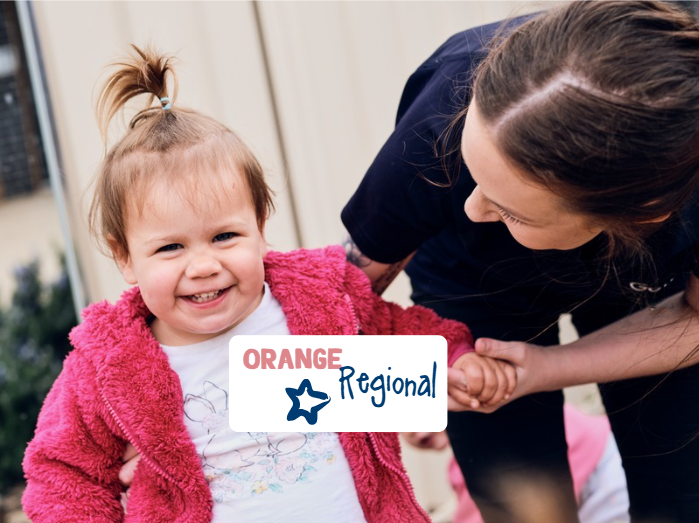
This workshop equips educators with practical, science-informed strategies to respond to behaviours that challenge in early childhood settings. Grounded in neuroscience, attachment theory, and the principles of trauma-informed practice, this session reframes "challenging behaviour" as a form of communication—calling for connection, safety, understanding and support to learn
Session 1:
Consciously Moving from Chaos to Calm
Explore how neuroscience and attachment theory inform strategies for supporting children’s self-regulation, supported by calm adults, predictable and consistent routines and environments.
Learning Outcomes:
- Explore brain states to understand what behaviour is communicating
- Create emotionally safe environments that reduce behavioural escalation.
- Recognise the role of predictability, consistency, and a calm adult presence.
- Develop trauma-sensitive practices that support all children to feel secure.
Session 2:
Consciously Building Connections and Growth
Explores how relational practices and co-regulation support children to feel safe, connected, and ready to learn—shifting the focus from managing behaviour to building lifelong skills in self-regulation, empathy, and states for learning.
Learning Outcomes:
- Use relational practices that foster trust, belonging, and connection.
- Understand the role of co-regulation: calm, connected adults support calm, connected children.
- Support children to return to a calm state where learning is possible.
- Implement conscious strategies for calming, grounding, and engaging children.
- Shift from managing behaviour to building skills in self-regulation, empathy, and problem-solving
Recommended Audience: Early Childhood Educators, Leaders, and Inclusion Support Staff. This is aimed at whole teams to ensure consistent practice and approaches.
- No future dates available.